Four years in the mist belt: wildlife on the Nottingham Road doorstep
Four years of living in Nottingham Road, and the Midlands still surprises me, from all three of South Africa's cranes to a tiny striped weasel that thought it was a honey badger.
When we moved to Nottingham Road four years ago, I thought of the Midlands as somewhere you drive through on the way to the Berg: rolling farmland, misty mornings, the odd dairy herd and a good coffee stop. It took me a while to realize I was living in the middle of one of KwaZulu-Natal’s most underrated wildlife areas.
This is a field guide to the corner of the world I now call home, and some of the moments that have made it special.
Life in the mist belt
Nottingham Road sits high up in what’s known as the mist belt. Summer brings towering afternoon storms and soaking green grasslands; winter brings frost, burnt-gold veld and crisp, clear mornings with the kind of light photographers wait all year for. In between are wetlands and vlei’s, farm dams and patches of indigenous forest tucked into the slopes.
That mix of grassland, wetland and forest is what makes the Midlands so rich, and so fragile. Much of the original grassland has been lost to plantations and farming, which makes every patch that’s left, and everything living in it, all the more important.
The striped weasel: pure luck
If one sighting sums up the hidden side of the Midlands, it’s this one.
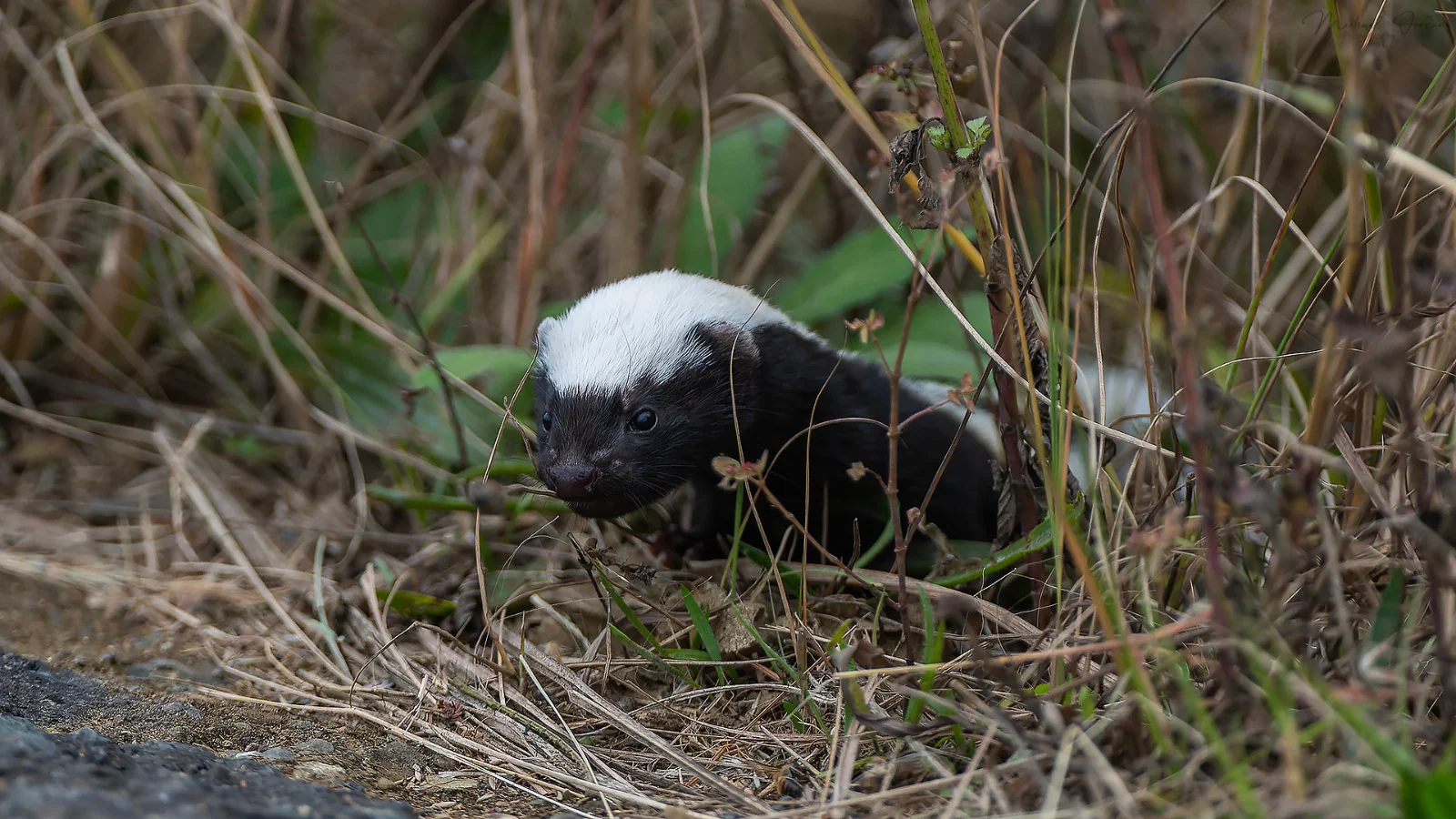
We were driving home when we noticed something small and dark in the middle of the road. We pulled over to take a closer look, and it turned out to be a striped weasel (Poecilogale albinucha), an animal most people who have lived here their whole lives have never seen.
It shot off into the long grass on the side of the road, and I thought that was that. But not long after, it came straight back out, fighting. This tiny animal, no longer than a ruler from nose to tail, charged at us as if it had the size and fearlessness of a honey badger. It was one of the most memorable few minutes I’ve had with a camera.
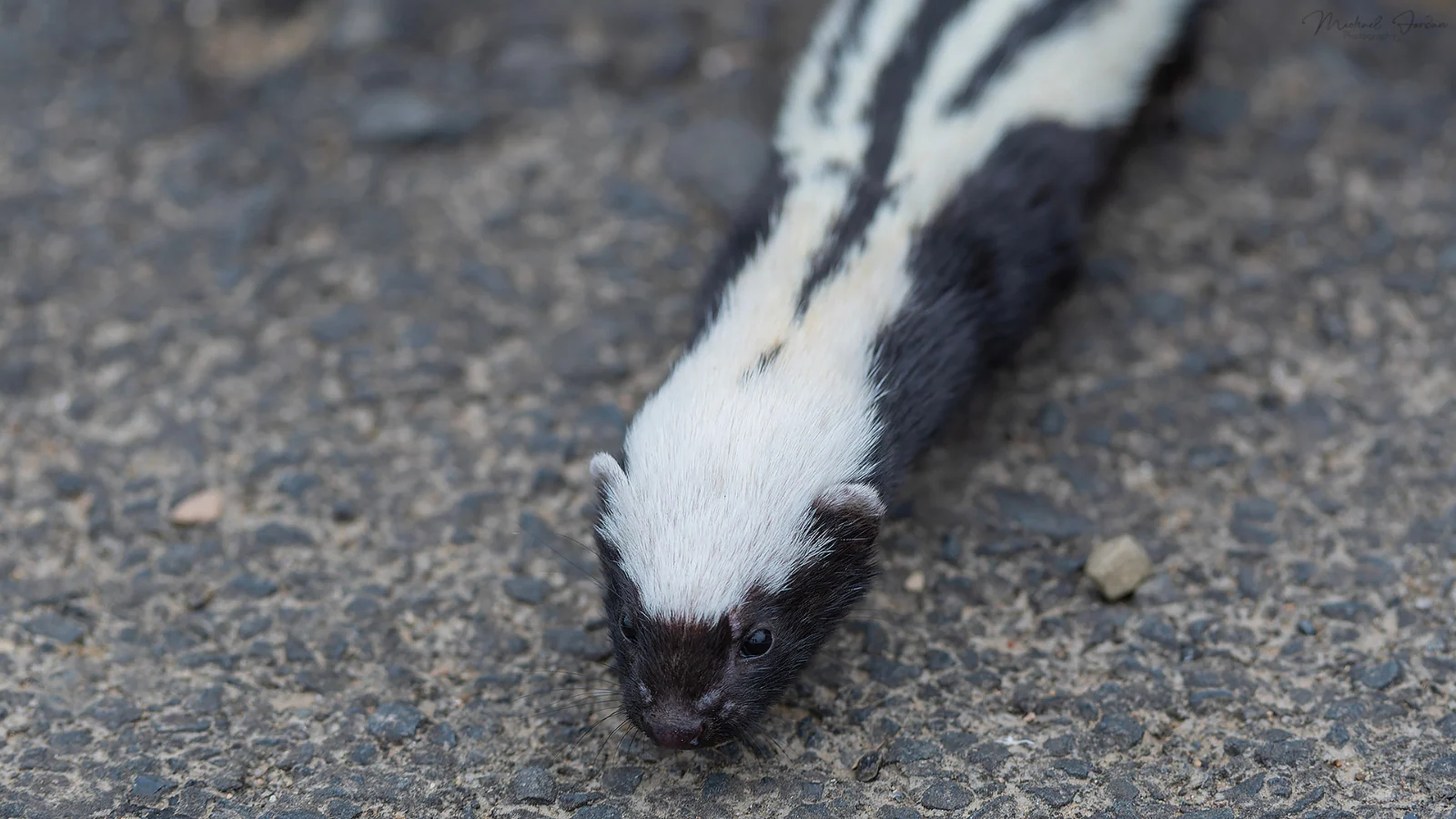
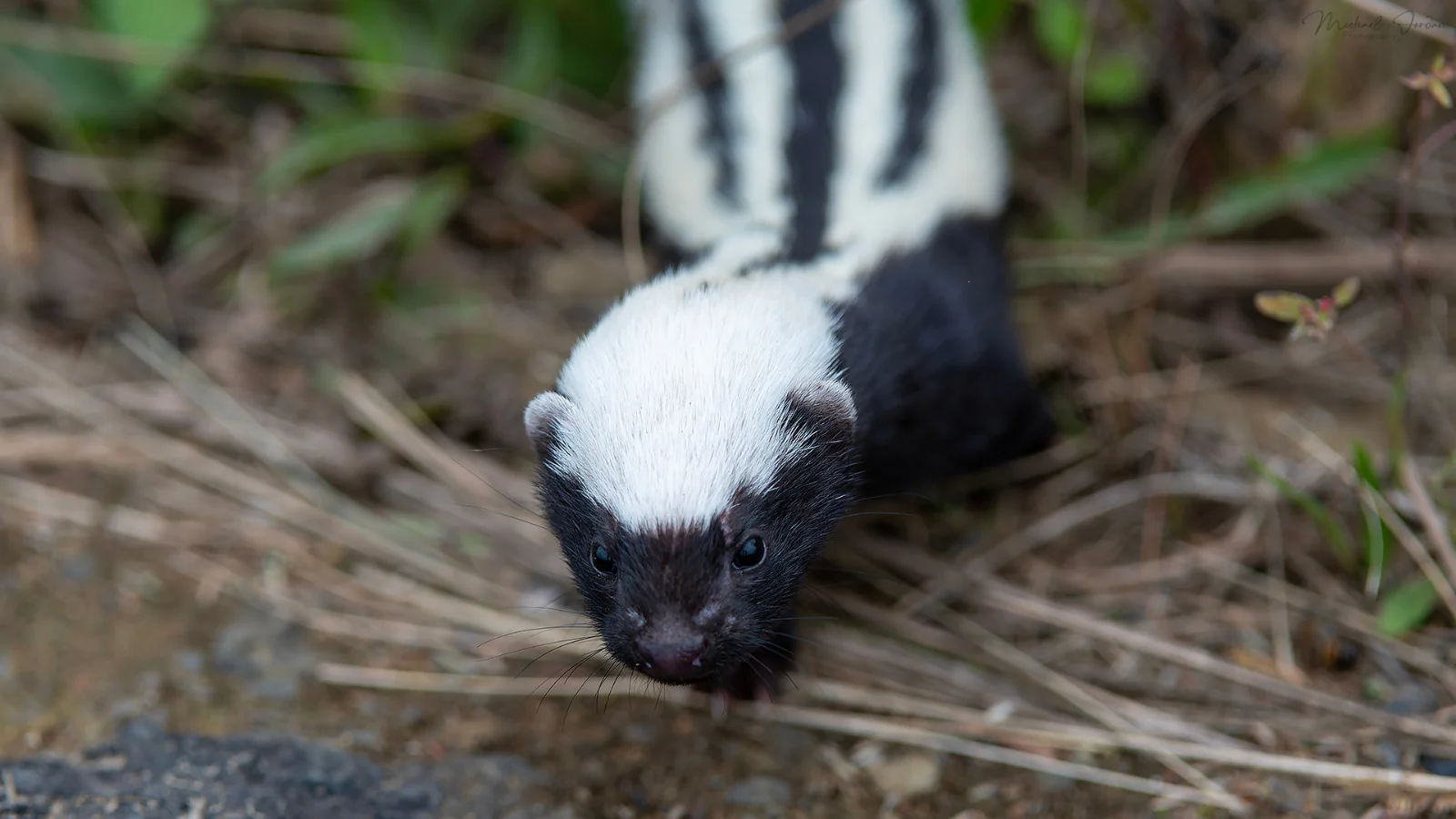
Striped weasels are jet black with bold white stripes down the back and a white cap on the head. They’re secretive, mostly active at night, and spend much of their lives hunting rodents in their burrows. South Africa’s national Red List assesses them as Near Threatened, largely because the grasslands they depend on keep shrinking.
Three cranes in one area
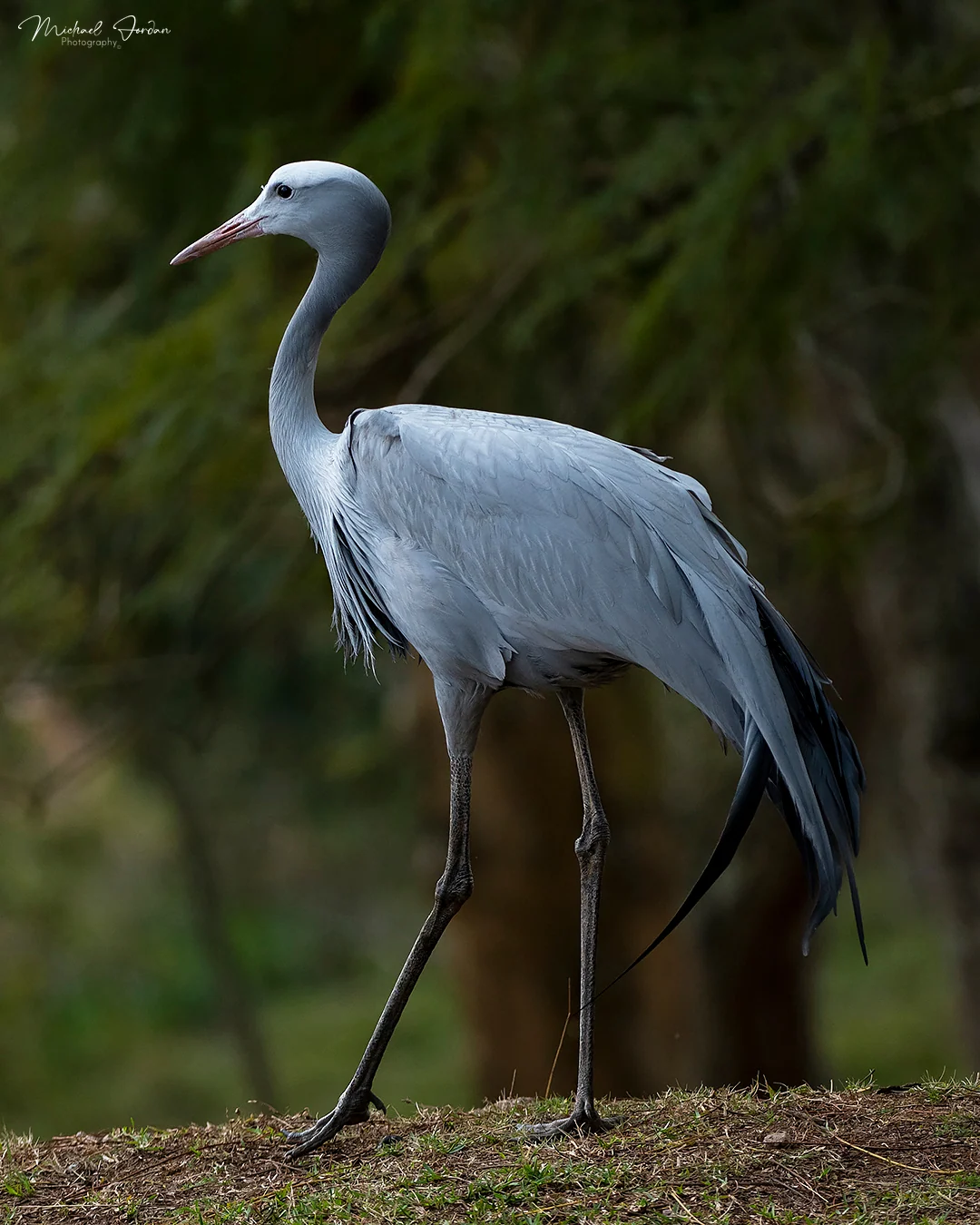
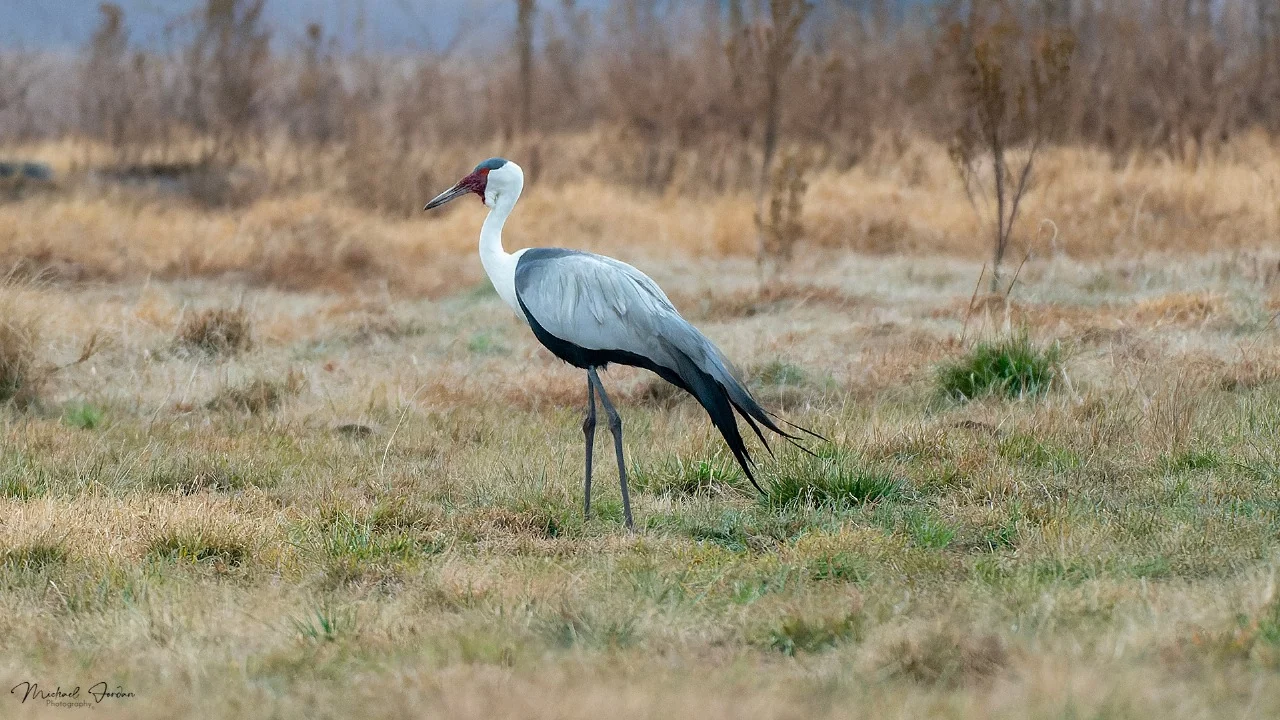
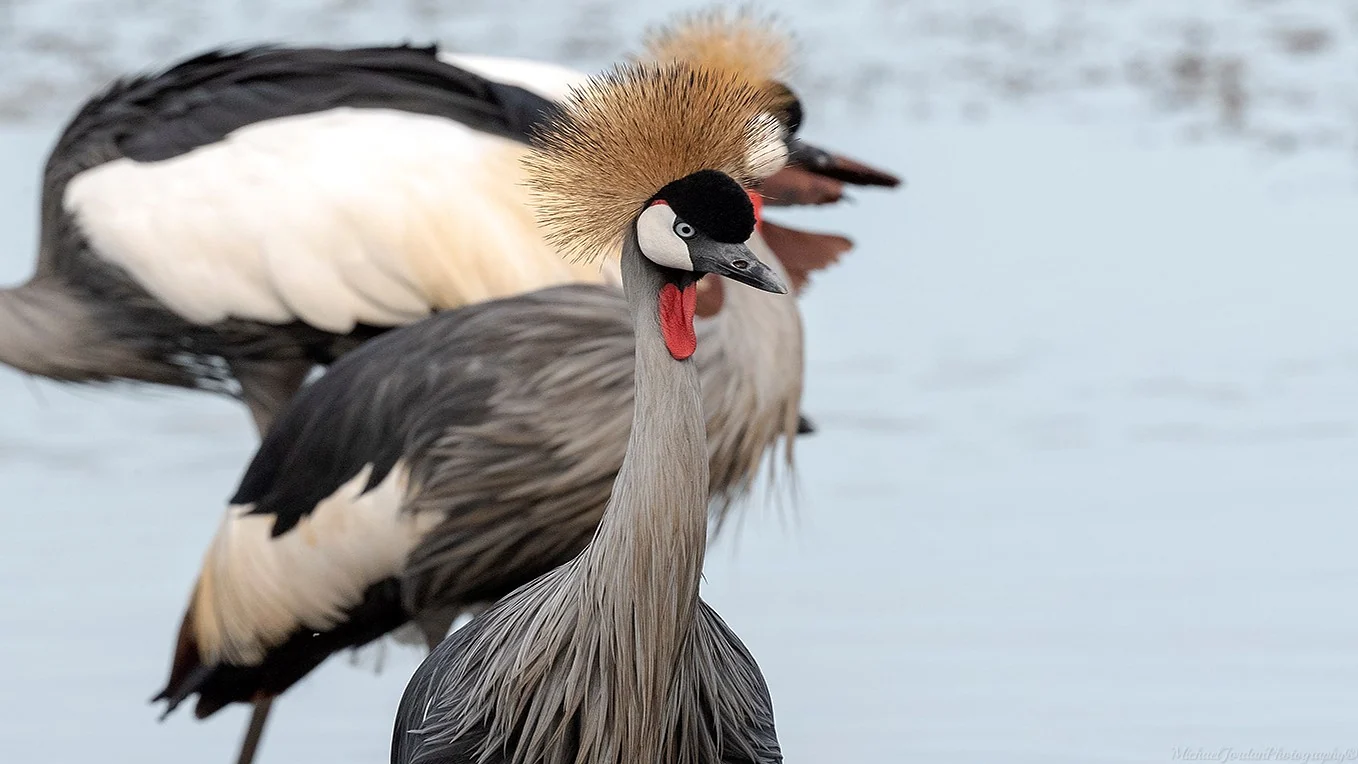
The Midlands is one of the few places in the world where you can find all three of South Africa’s crane species, and we’ve been lucky enough to see all of them:
- Blue crane: our national bird, often in pairs or small groups on open grassland and farmland.
- Grey crowned crane: impossible to mistake with that golden crown, usually near wetlands.
- Wattled crane: the largest and rarest of the three, and Critically Endangered in South Africa. Every sighting feels like a privilege.
Grassland and wetland mammals
The grasslands and vlei’s around us have given us some wonderful mammal sightings over the years:
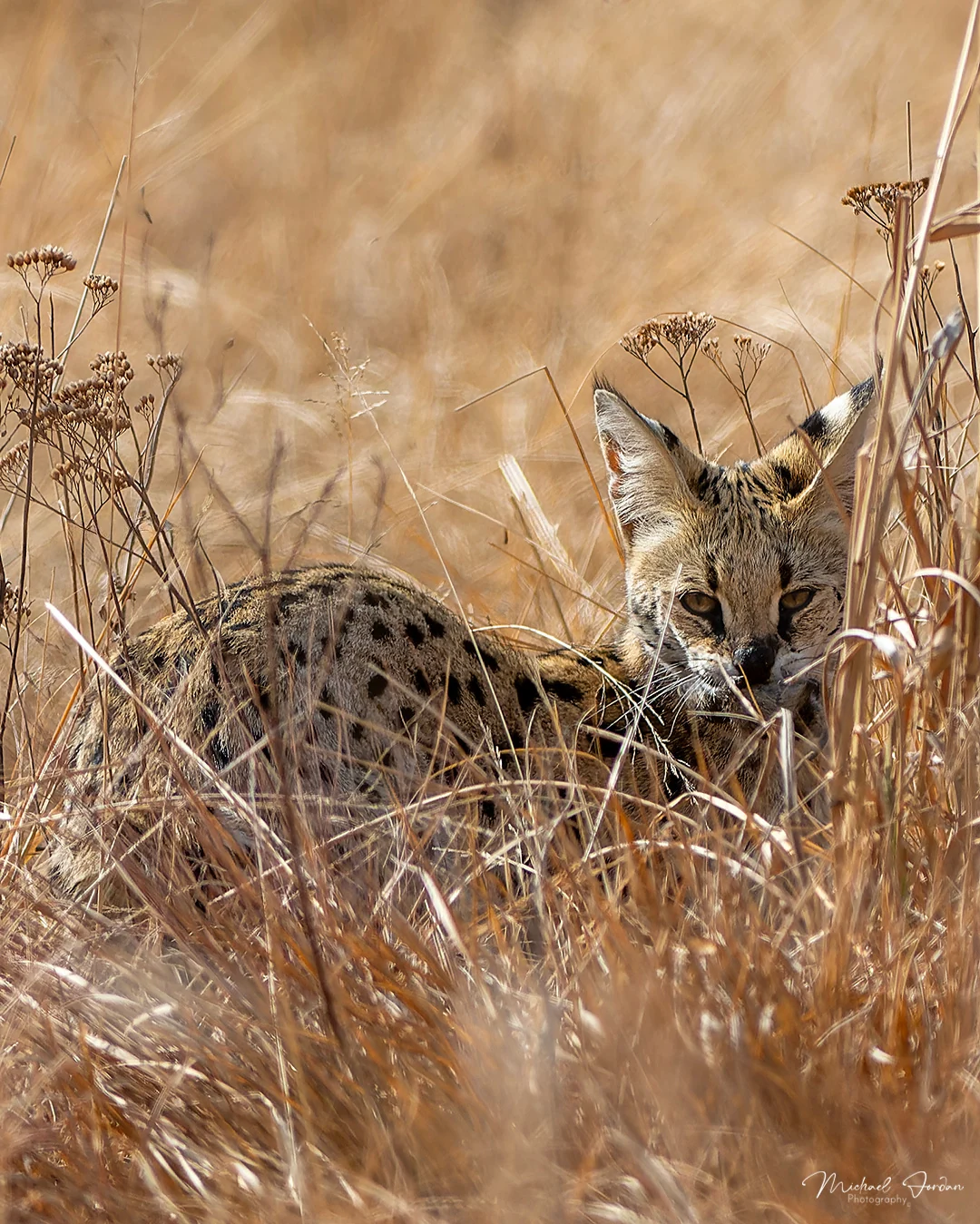
- Serval: long legs, big ears and a spotted coat, hunting along the grassy wetland edges.
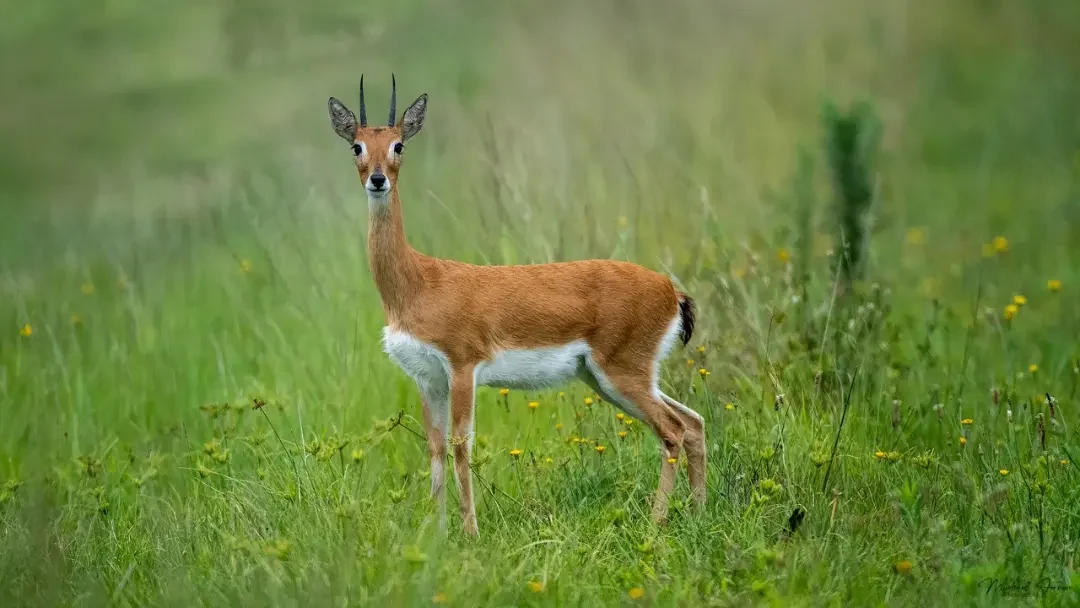
- Oribi: a small, graceful antelope that’s endangered in South Africa and a real indicator of healthy grassland.
- Southern reedbuck: usually close to water, with that distinctive whistle when alarmed.
- Common duiker: a quick glimpse before it dives back into cover.
- Water mongoose: a shy wetland hunter, best seen early in the morning near streams and dams.
- Porcupine: a rare treat, usually spotted after dark.
On our doorstep: forest and mountains
Part of the magic of living here is what’s within easy reach.
Karkloof is about 45 minutes away and protects some beautiful indigenous mist-belt forest: tall yellow-woods, cool green shade and a completely different set of birds and animals from the open grassland.
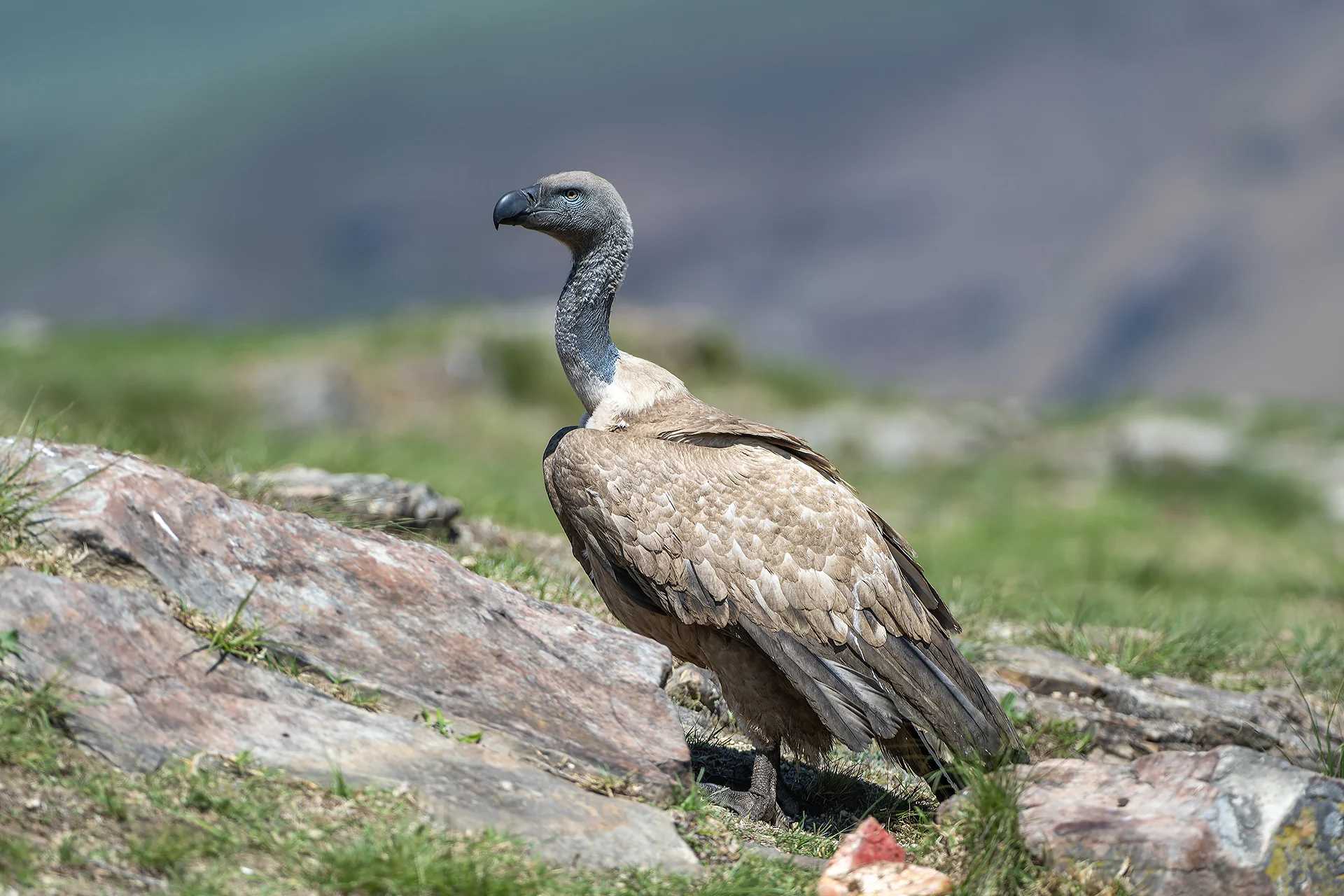
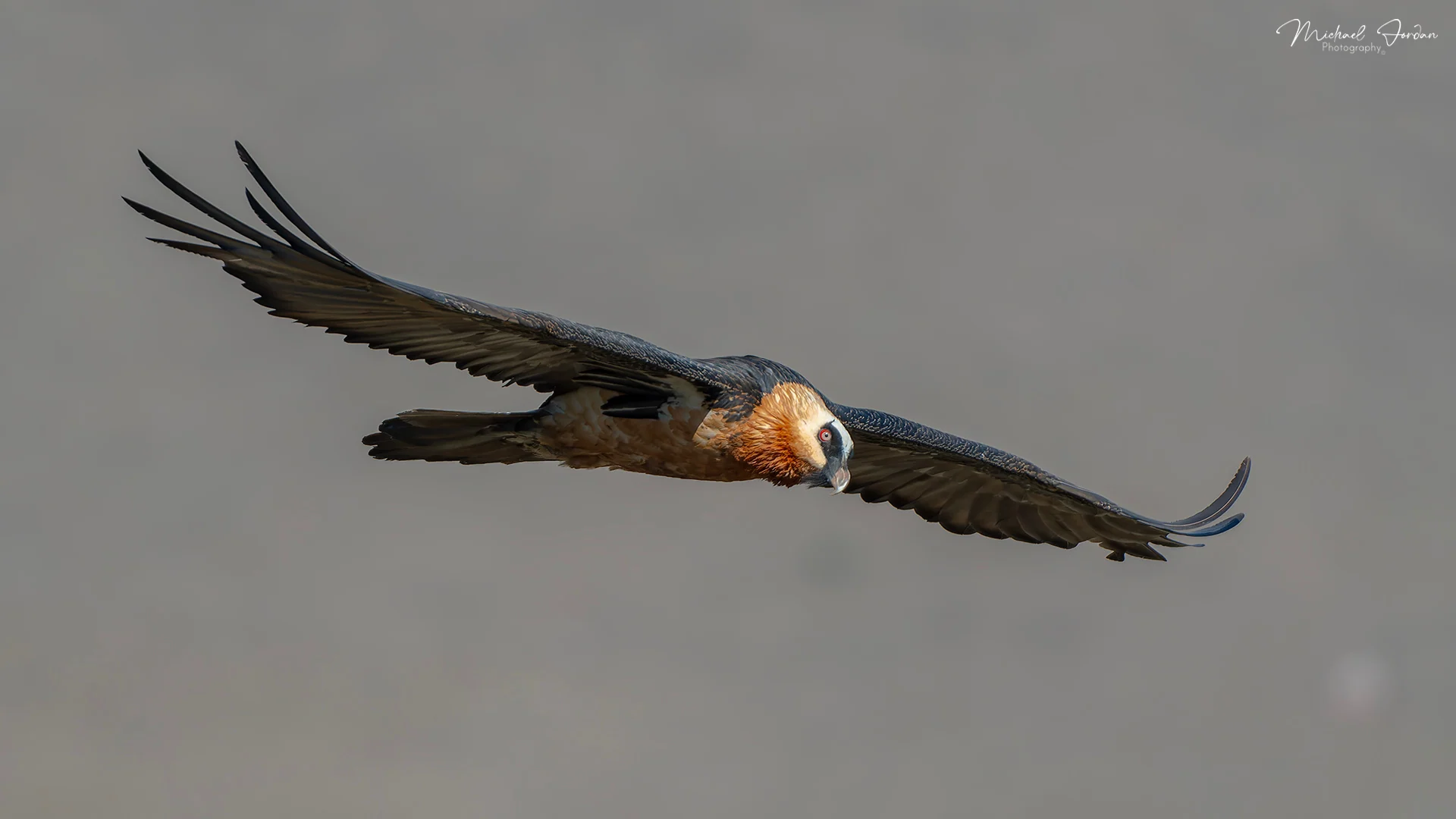
Giant’s Castle, about 90 minutes away in the Drakensberg, is home to the famous vulture hide, one of the best places in the country to see Cape vultures and the bearded vulture up close. The bearded vulture is Critically Endangered in South Africa and feeds mostly on bone, famously dropping bones from a height to crack them open. Watching one glide past the hide at eye level is something I’ll never forget.
What four years has taught me
You don’t need to drive to Kruger for incredible wildlife. Some of my favorite moments have happened within half an hour of home, on back roads and in grassland most people drive straight past.
Patience helps. Knowing your local patch helps even more. And sometimes it’s simply luck: a dark shape in the road, a car pulled over, and a tiny weasel with the heart of a honey badger.
The Midlands has so much more to show me, and I can’t wait to see what the next four years bring.